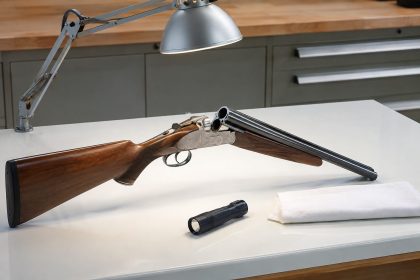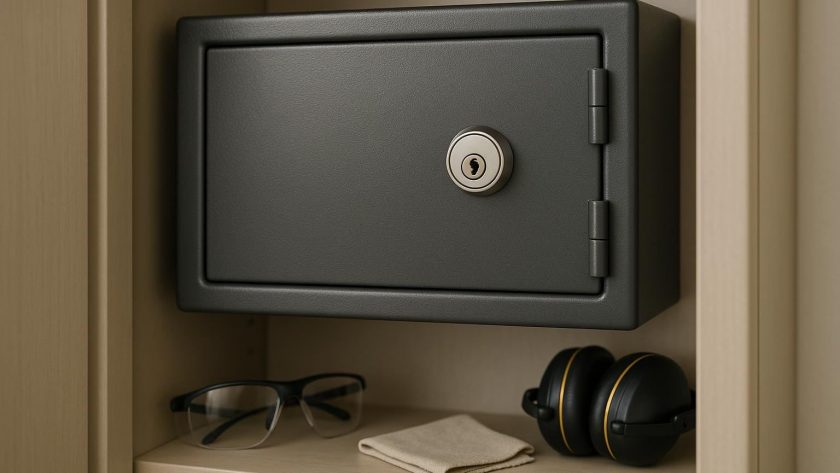
Keeping firearms safe is a must especially when than one person lives in the home. A lockbox might seem like a solution. Its not always enough. Just because something is locked doesn't mean it's secure. In a shared space the real challenge isn't the lock-it's how the entire system works with the people, in the house.
The first step is to look at who has access to the home. This includes family members, roommates, guests and even people who come in for cleaning or care. You have to think about every person, not those you trust. Some people might be trusted,. That doesn't mean they should have access to a firearm. A guest with a left on a hook or a friend who knows a combination could accidentally or intentionally open the container. Even biometric locks aren't perfect. What happens if the system fails? Is there a backup that's safe? A backup that's easy to use but hard for others to find?
It's also important to stay to date with laws. Rules. What was legal year might not be today. Don't assume that meeting the law means your setup is safe. Laws are the floor, not the ceiling. You should aim for safety that goes beyond just following the rules.
Choose the Right Container for Your Household Risks
lockboxes are convenient. They're easy to set up. Can hold a firearm.. In a home with kids or lots of visitors a small box may not be enough. A larger locked cabinet is often better. It can hold guns, magazines and tools.. It also demands care. You must make sure it's closed every time. If it's left open for a second the risk goes up.
When choosing a container don't just trust the label. Look at the build. How does the door lock? Are the hinges secure? For locks what happens if the battery dies? Does it have a power source or a manual override? For keyed locks, where do you keep the key? A key left in a drawer or on a table defeats the purpose of having a lock.
Capacity matters too. A container that's leads to clutter. Boxes and guns stacked together can make it hard to find what you need.. A container that's too big or hard to open might get left open during a morning. The goal is balance- to use, but hard to access by anyone who shouldn't.
Placement Is Just as Important as the Container
Where you put the storage matters much as what it is. You don't want it in a spot where a child can stumble upon it. Put it away from play areas, bedrooms or living rooms. Avoid places where guests might walk by and get curious. The goal is to keep it hidden not just locked. A safe in sight is a target.
If possible anchor the container. Use wall mounts or heavy-duty brackets to secure it. Follow the manufacturer's advice. Use surfaces like studs or concrete. Avoid spots like drywall. If you're renting talk with your landlord. Some landlords may not allow fixtures. In that case consider solutions that're still secure. Always check that the anchor doesn't damage the wall or weaken the container.
Ammunition and other gear should also be stored safely. Keep them separate from the guns. Use boxes or drawers. Follow rules on how ammo you can keep and how it should be stored. A clear organized system means access when needed and less chance of mistakes.
Practice Access Routines to Build Habits
No matter how good the lock is the system will fail if habits fail. You must practice how you open and close the storage just like you'd practice a drill. Don't take shortcuts. Always point the gun in a direction when handling it. Lock it up the way every time.
Make it part of your routine. Every day when you come home check that the container is closed. When you take a gun out make it clear to others that it's in use. When you're done lock it up immediately. If the lock doesn't work right don't ignore it. Check the battery the seals, the hinges. Fix what's wrong before it becomes a problem.
Life changes. You move, add a roommate or have guests. These changes affect your security needs. Check your storage setup after any change. Ask: Is it still safe? Is everyone on the page? Are the rules still clear?
Essential Questions for Your Purchase Decision
Before buying a storage container ask yourself these questions:
– Who do I need to keep out? Think about guests, visitors and people who come in regularly.
– Who can open the container? Can they remember the code. Find the key? Are there people who need access?
– Where will it go when I'm not home? Is it hidden and secure?
– How will I handle backups? What happens if the key is lost, the battery. The system fails?
– Is there space for guns, ammo and gear without crowding?
– Can I anchor it. Secure it to the wall?. Is it portable and at risk of being moved?
– What does the manufacturer say about maintenance? How often should I check it? What happens if it breaks?
– Does this setup meet laws? Are there any rules I must follow?
If you can't answer these questions clearly don't buy yet. Wait until you have a solution that works for your household. Safe storage isn't, about the box. It's about the people, the habits and the system you build around it. Responsibility doesn't end when you buy a lock. It starts there.