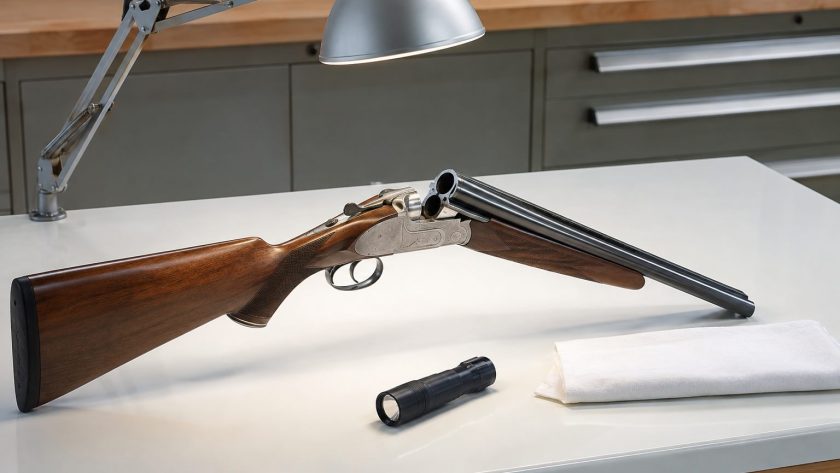
A firearm does not become safe just because it was cleaned, stored properly or used without trouble before. Treat every range trip as a decision: is this firearm, with this ammunition and in its current condition suitable to handle and fire today? A short pre-range inspection can find parts, obstructed openings, damaged cartridges and neglect before they become dangers. For owners the goal is not mechanical confidence but knowing when to proceed pause or ask a qualified professional.
Start with a controlled unloaded condition
Choose a lit area away from distractions, ammunition and anyone who might handle the firearm unexpectedly. Keep the muzzle pointed in a direction remove the ammunition source and follow the owners manual for unloading. Do not rely on a control or assume that a magazine, cylinder or chamber is empty.
Confirm the condition using the manufacturers method leave the action open where the design allows it. If you are unsure how the firearm opens, unloads. Indicates an empty chamber, stop and consult the manual or a qualified instructor. Guesswork is not a substitute for familiarity.
Look for symptoms, not reassurance
A inspection is visual and conservative. Look for changes, damage and anything that differs from the firearms appearance: unusual wear, cracks, dents, corrosion, missing fasteners, loose sights, damaged grips or controls that feel different.
Check the bore from the open end only after confirming the firearm is unloaded and when the design permits a safe view. A visible obstruction, residue, unusual bulge or anything you cannot confidently identify is a reason to stop. Never attempt to clear a suspected obstruction by firing another cartridge.
Examine the action and external surfaces for dirt or debris that could interfere with movement. A stiff control, gritty movement, failure to return to its position or loose part needs attention before the trip. Do not force a control. Use improvised tools or modifications to make it move.
Use a decision checklist
A checklist helps when time pressure or a crowded range makes details easy to miss. Keep it short to use every time:
– The firearm is confirmed unloaded according to the owners manual.
– No visible obstruction, crack, bulge, serious corrosion or unexplained damage is present.
– The action, controls and sights appear secure and function normally without force.
– The ammunition is the type and designation specified for the firearm and cartridges are undamaged.
– Required eye and hearing protection, a suitable case and range-specific equipment are ready.
– The owner can explain handling and range rules before arriving.
This is a screening tool, not a certification. A firearm can pass a check and still have an internal problem. If anything feels abnormal do not make the checklist fit; set the firearm aside.
Know when cleaning helps-. When it does not
Routine maintenance supports reliable operation but more cleaning is not always better. Follow the manufacturers instructions for cleaning points, products and lubrication. Excess oil can collect dust. Migrate into unsuitable areas while aggressive scrubbing or incorrect solvents may damage finishes or components.
Clean after confirming the firearm is unloaded and separating ammunition from the work area. Use tools, work in a stable space and stop if a component will not move as described in the manual. A new owner should not treat disassembly beyond the owners instructions as an experiment before a range visit.
Some symptoms should not be solved with cleaner. Repeated failures to feed, extract, fire or reset; marks on fired cases; excessive fouling in a short period; a cracked component; a change in recoil or sound; or any suspected overpressure event all call for a pause. Keep the firearm unloaded and seek advice from the manufacturer a gunsmith or a properly trained instructor. Do not resume firing merely because the next cartridge appears normal.
Match the equipment and plan to the trip
Range preparation includes more than placing a firearm in a case. Check that the ammunition matches the firearms markings and the owners manual. Inspect cartridges for corrosion, dents, damaged primers or other obvious defects. If the designation is unclear do not guess from appearance; ask range staff or a qualified professional.
Use a case and transport method that meet the ranges current rules. Requirements vary by location and facility and laws and regulations may change so check official guidance and the ranges written policies before leaving home. Do not rely on a memory of what is permitted.
At the range follow posted commands and cease-fire procedures. Keep the firearm pointed in a direction keep the action open when directed or when not actively handling it and keep your finger outside the trigger guard until ready to fire under the ranges rules. If the firearm produces a sound, recoil or result keep it pointed safely and stop. Ask the range officer for help of attempting a hurried diagnosis.
Make stopping part of ownership
The strongest new-owner safety habit is accepting that a range trip can be cancelled. A loose part, ammunition, unexplained malfunction or lack of confidence is enough reason to postpone use. No practice session is improved by turning a question into a live test.
Record recurring symptoms, maintenance dates and questions, for the manufacturer or gunsmith. A simple record can show whether a problem is isolated or repeated and gives a better information. Inspection cannot eliminate every issue but it reduces avoidable surprises and builds the judgment responsible ownership requires.